The Senegalese parliament has voted to dramatically tighten the country’s already harsh laws on same-sex relations. The result wasn’t close: 135 votes in favour, zero against, three abstentions. It wasn’t a debate — it was a signal.
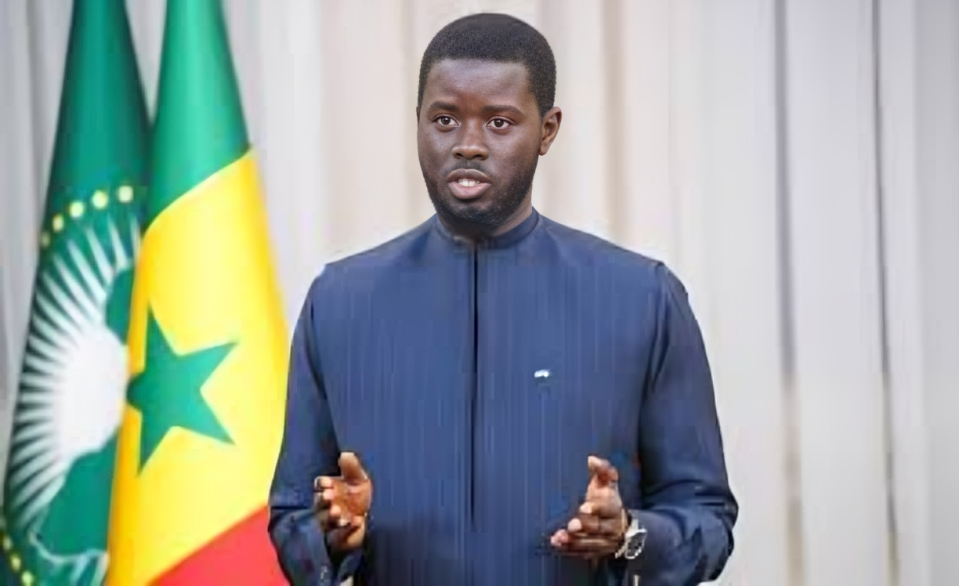
The bill now sits on President Bassirou Diomaye Faye’s desk. Most people watching expect him to sign it since this was also what he campaign for.
What actually changes
Under the current law, same-sex conduct — framed in the penal code as “unnatural acts” — carries a sentence of one to five years. The new bill doubles that ceiling to ten years. But the more chilling addition is what targets everyone around LGBTQ+ people: journalists, NGO workers, healthcare providers, or anyone accused of promoting, supporting, or financing same-sex relationships could now face prosecution. Prime Minister Ousmane Sonko added that cases involving minors would automatically draw the maximum sentence. Fines have jumped too — up to 10 million CFA francs, roughly £13,000.
This didn’t come out of nowhere
Sonko made his position clear long before he took office in 2024. Once in power, his government moved fast. Earlier this year, police arrested 12 men — including two local celebrities and a journalist — under existing laws. Estimates put the total number of arrests since February at around 30. Even though at the early stage of the arrest some ascribe it to political reasons. But that still remains unproven.
Meanwhile, social media filled up with homophobic content, calls to publicly expose suspected gay individuals, and pressure from religious leaders who’ve been lobbying for stricter laws for years. In Senegal — a majority-Muslim country — LGBTQ+ rights are widely framed not as a domestic issue but as a foreign imposition. That framing matters, because it shuts down almost any space for public debate. LGBT is not acceptable by Muslims, christians and even the African tradition in most part of Africa. It is usually treated as a taboo subject. Most Tv or Radio stations won’t even open their stations for such debates.
The international response
The UN High Commissioner for Human Rights called on President Faye not to sign, warning the law would expose LGBTQ+ people to violence, blackmail, arbitrary arrest, and denial of basic services. Human Rights Watch said criminalising same-sex conduct violates internationally protected rights. Several European political groups condemned the vote.
Whether any of that carries weight in Dakar right now is another question.
Senegal isn’t alone
This fits a pattern that’s been hardening across the continent. Burkina Faso criminalised same-sex relations for the first time last year. Ghana’s parliament is weighing a bill that would increase penalties and ban LGBTQ+ advocacy outright. By late 2025, 32 of Africa’s 54 countries had laws criminalising homosexuality — punishments ranging from prison to, in some cases, death.
What’s happening on the ground
One conservative organisation claims to have a list of over 600 alleged gay individuals in Senegal and has spoken about using it to push for the closure of LGBTQ+ NGOs. For activists, healthcare workers, and ordinary people, that’s not an abstract threat — it’s already shaping how they move, who they trust, and whether they stay.
President Faye hasn’t publicly confirmed he’ll sign the bill. But given that it passed without a single vote against it, and that it’s been central to his administration’s agenda, the expectation is clear.
For the people most affected, waiting to find out isn’t really an option.
I think this is part of western culture trying to be impose on Africans